
Category: TI Allowance

Negotiating, spending and drawing down the tenant improvement allowance.

  • Why Landlords Reject TI Allowance Draw Requests — and How to Get Paid

    Why Landlords Reject TI Allowance Draw Requests — and How to Get Paid

    You negotiated a strong allowance and built the space on budget. Then the first draw request comes back rejected, and the money that was supposed to reimburse your contractor is sitting behind a paperwork problem. This is common, and it is almost always avoidable.

    Why draws get held

    • Missing lien waivers — the lease requires conditional and unconditional waivers from the GC and every subcontractor and supplier above a threshold. One missing lower-tier waiver holds the whole draw.
    • Pay application does not tie out — the G702/G703 does not match the approved budget, or the math does not foot.
    • No proof of permit and inspection sign-off — the landlord wants the signed permit card or a certificate of occupancy.
    • Submitted late — after the monthly draw window, or worse, after the allowance draw deadline in the lease.
    • Costs outside the allowable scope — FF&E or cabling billed against an allowance that excludes them.

    How to get paid the first time

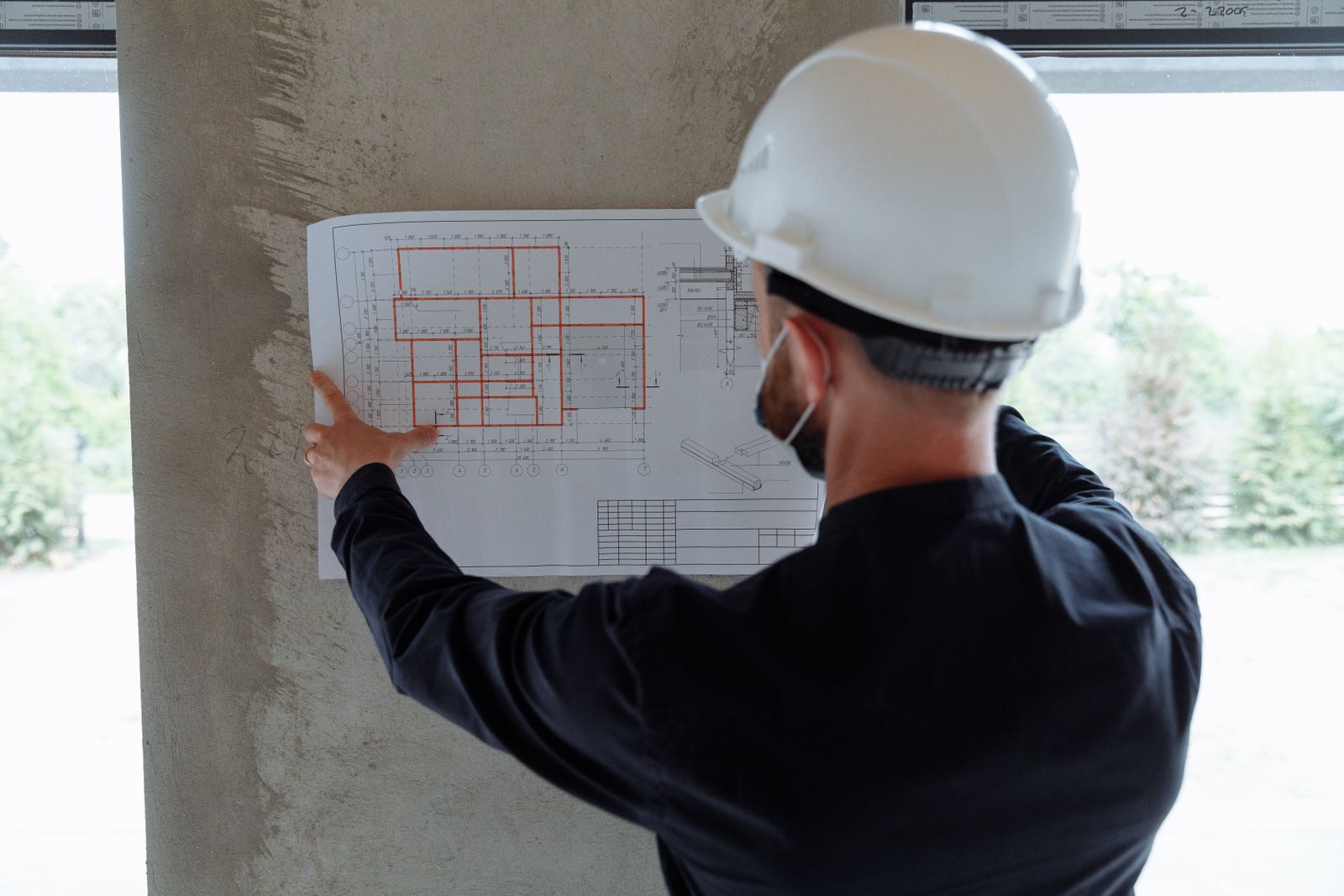
    1. Pull the documentation checklist straight out of the work letter before construction starts, and map it to every pay application.
    2. Make lien-waiver collection a condition of paying each sub — no waiver, no check.
    3. Keep the schedule of values identical to the landlord-approved budget.
    4. Assemble each draw as a single package: G702/G703, waivers, paid invoices, permit sign-offs, progress photos.
    5. Submit inside the lease’s draw window, every time, with tracking to payment.

    Landlords reimburse against documentation, not effort. Build the package to their checklist and the allowance shows up on schedule.

  • What a Tenant Improvement Allowance Does and Doesn’t Cover

    What a Tenant Improvement Allowance Does and Doesn’t Cover

    The headline allowance number in a lease proposal is close to meaningless on its own. What matters is the work letter — the lease exhibit that defines what the allowance can be spent on, what condition the space is delivered in, and how you get the money. Two leases with the same per-foot allowance can fund wildly different amounts of your actual project.

    What allowances usually cover

    • Hard construction costs — demolition, framing, drywall, ceilings, flooring, paint, doors and hardware.
    • Mechanical, electrical, plumbing and fire protection within the premises.
    • Building permits and, sometimes, plan-check fees.

    What they often exclude

    • Furniture, fixtures and equipment.
    • Low-voltage cabling, data, security and audiovisual.
    • Architecture and engineering fees.
    • Signage, moving costs, and the tenant’s own project-management costs.

    Some leases let you apply a capped portion of the allowance to these “soft costs.” Many do not. If your soft costs are 20 to 30 percent of the project, that distinction is the difference between a covered build-out and a large out-of-pocket bill.

    The other fine print

    • Base-building condition — what you are being handed. If it is a bare shell, more of your allowance goes to work that a “warm shell” tenant would not pay for.
    • The draw deadline — allowances routinely expire 9 to 12 months after the commencement date. Unspent money is lost.
    • Overage treatment — cash at closing, or amortized into rent.

    Read the work letter before you sign, and price your build-out against what it actually funds — not the number in the proposal email.

  • How to Negotiate a Tenant Improvement Allowance From an Actual Number

    How to Negotiate a Tenant Improvement Allowance From an Actual Number

    Most tenants negotiate their improvement allowance as a round per-square-foot figure — “we’d like $50 a foot” — with no evidence behind it. The landlord counters with a lower round number, and the difference gets split. The tenants who do better bring a real estimate to the table.

    Why a number beats a rule of thumb

    A landlord can dismiss “$50 a foot” as a negotiating position. It is much harder to dismiss a line-item estimate that shows demolition, framing, MEP, finishes, millwork and permits for your program in your market, totaling $63 a foot. Now the conversation is about a documented cost, and the tenant is asking to be made whole rather than asking for a favor.

    Building the estimate

    • Start from a test fit — even a rough one — so quantities are real.
    • Price it against current subcontractor pricing in the building’s market, not a national average.
    • Separate hard costs (what the allowance usually covers) from soft costs and FF&E (what it usually does not).
    • Carry a design contingency; the drawings are not done yet.

    Using it in the negotiation

    • Share the hard-cost total and ask the allowance to cover it.
    • Where the landlord will not fund the full amount, negotiate the overage terms now — amortized into rent at a stated rate, rather than due in cash at closing.
    • Get the allowable uses expanded in the work letter if your soft costs are significant.

    The estimate costs a fraction of the swing it produces. On a 20,000 square foot lease, moving the allowance $10 a foot is $200,000 — and that is a routine result when the ask is backed by real numbers.